Mirik is a lovely getaway located at the Himalayan Hills. Tourists visit Mirik for a sojourn or as a one day trip from Darjeeling. Situated on the south western side of Darjeeling it is surrounded by the Singalila Mountains of the Himalayan range. It is a popular destination during the summertime in West Bengal as people want to beat the heat during the humid summer in Bengal. This hill resort is situated at an altitude of 1767 meters and is at a distance of 49 kilometers from Darjeeling. For people who find Darjeeling crowded often prefer Mirik Himalayas as a getaway because of its peaceful atmosphere.
Galleries
Mongpu, the summer residence of Rabindranath Tagore
Mongpu is a lovely tranquil village in the mountainous Kalimpong sub division in north Bengal. It is about 30kilometers from Darjeeling; 49 kilometers from Kalimpong town and 54 kilometers from Siliguri. Located at an elevation of 3,500-4000 feet, it is famous for cinchona plantation which has lot of medicinal value. Mongpu is also well known as the retreat for the Nobel Laureate Gurudev Rabindranath Tagore. Continue reading
Rimbik falls towards the Singalila National Park via Kurseong
Rimbik falls on the southern part of Darjeeling towards the Singalila National Park. It appears to be perched on the top of the Himalayan range like a roof. Rimbik sitting at an altitude of 2,286 meters is a little village in the shadow of the Kachenjunga overlooking the River Ramman. It is close to the Skim and Nepal border area. The village is naturally endowed with scenic beauty and offers a captivating halt to the trekkers enroute to Sandakphu. Arguably the best view of the Kanchenjunga is achieved from Rimbik. Along with the mighty Kanchenjunga, other snow capped peaks can also be seen from Rimbik village. The play of colors on the top of the peaks is incredible. Continue reading
Chimney Village of Kurseong
Chimney Village of Kurseong is a lovely place amidst the mountains of Himalaya. There is an interesting anecdote regarding the queer name of the village. There is a 23 feet high chimney in the village which was constructed during the World War I under which the British soldiers and officials used to take rest. Hence, the name Chimney village. It is also sometimes spelled as Chimeni. This village is actually located in a valley overlooking the two swift rivers of the mountains- River Mahananda and River Teesta. The beautiful snow capped peak of Mt. Kanchenjunga can be seen from the pine covered valley. Continue reading
Kurseong, Lepcha means small white orchid
Kurseong, the name in Lepcha means small white orchid and the place is often referred to as the land of the white orchid which grows in abundance throughout the year. Kurseong is located at a distance of 32 kilometers to the south of Darjeeling and is often referred to as the young sister of the Queen of Hills that is Darjeeling. Kurseong stands at an elevation of 1458 meters and experiences a pleasant climate throughout the year. It is also known as the gateway to north Bengal and is surrounded by beautifully trimmed tea estates attracting tourists all the year round.
Attractions in Kurseong
Kurseong is a popular destination where lots of eminent personalities have spent a considerable time of their lives. Among them were Rabindranath Tagore, Netaji Subhas Chandra Bose, Sister Nivedita and also Mark Twain. One of the highlights of Kurseong is the Makaibari Tea Estate. Visitors are allowed to see the organic procedure of processing tea here. Trips are free and mornings are the best time to visit.
The Ambootia and Castleton Tea Estate also welcome visitors to their aromatic factory. There is an old graveyard of St. Andrews as a poignant reminder of the era of tea planters. Walk down to Eagle’s Craig or trek to Deer Park to enjoy your day. From Eagle’s Craig you can witness the golden rays of the sun on the Himalayan range which is a visual treat. Visit the Museum of Netaji Subhas Chandra Bose and also the Forestry Museum to gather knowledge. On the way there are several religious temples, churches, Buddha gompa and mosques. Do not forget to trek to the Balason River and visit Chimney village which is home to a 100 year old gigantic chimney.
You will be able to enjoy your trip to Kurseong if you visit during March through Mid June and September through December.
How to reach Kurseong
Getting in the little town of Kurseong is easy as it is nicely connected with the rest of north Bengal through railway and road. Shuttle jeeps are available from New Jalpaiguri station to Kurseong which approximately takes 2 hours by Hill Cart Road and 1 hour by Old Army Road or Pankhabari Road. The route through Hill Cart Road is often preferred by tourists because they can relish on the visual treat provided by the Himalayan range. The jeeps normally charge 40 INR for 1.5 hours from Darjeeling. Traveling by the Darjeeling Himalayan Railway’s steam toy train is the best experience you can have enroute to Kurseong. Leaving at 6 in the morning it provides ample opportunity for the tourist to capture the pretty sight while moving up the winding railway track.
Where to stay in Kurseong
Accommodation in Kurseong is aplenty. Right from tourist lodges to hotels are available for the visitors. However, if you want to experience the lifestyle of the residents, then homestay facility is the best option. Many families of the Makaibari tea estate offer this facility which includes rooms, typical Kurseong meals, exploring the tea garden and also taking part in the local development programs. They usually charge 800 INR for rooms and meals.
Phalut, a table top on the Singalila ridge
Phalut is a table top on the Singalila ridge of the Himalayas located on the same trekking trail as Sandakphu. Its distance from Sandakphu is 23 kilometers which takes around 7 hours to trek. Phalut means a bare table top mountain and is 3600 meters in height. The Singalila ridge is a famous spur lying at the southern end of a prolonged crest running down from the Kanchenjunga massif forming the Sikkim and Nepal border. Trekkers love to climb the various ridges of the Himalayas not only because it throws lot of challenge to them but also because of the scenic beauty of the surroundings. The route along the high ridge through small settlements is absolutely spellbinding. Continue reading
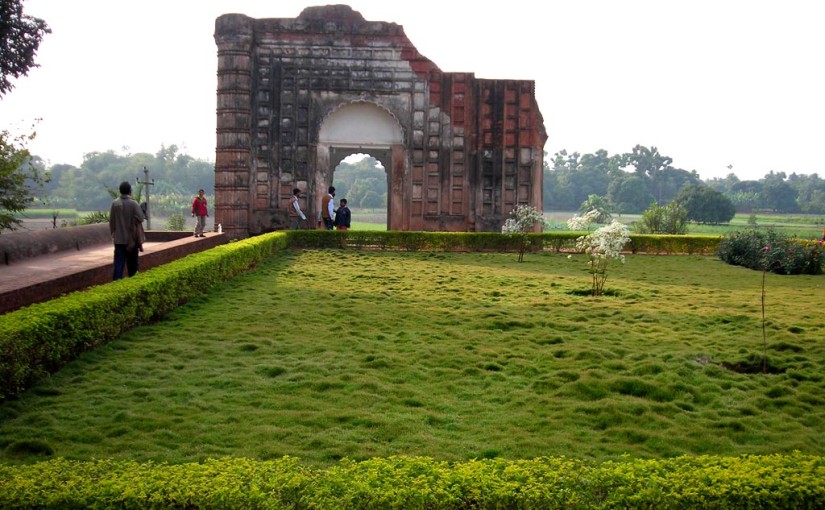
Nimak Haram Deori, Murshidabad
Nimak Haram Deori is the main gate leading to Mir Jafar, the traitor’s palace Jafargunj. It is located at a distance of only 1 kilometer north from the magnificent Hazarduari. Visitors cannot enter into the palace as it is well guarded. This palace stands as the memorial of the darkest hour in the history of Bengal as Nawab Siraj-ud-Daulah was killed here in an act of the betrayal. This assassination was decisive in the colonization of Bengal and India.
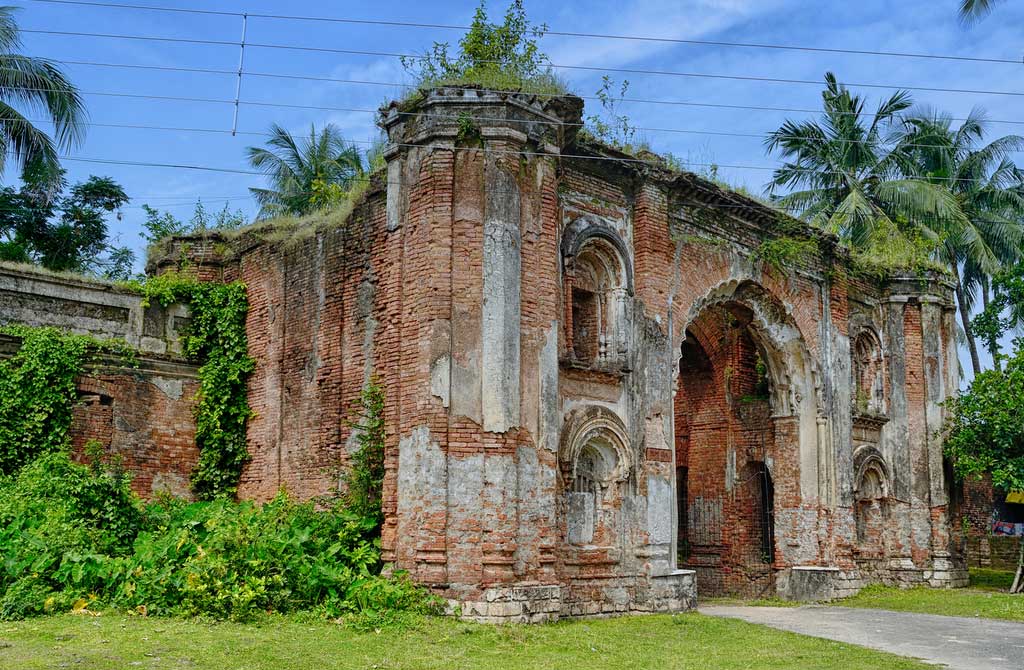
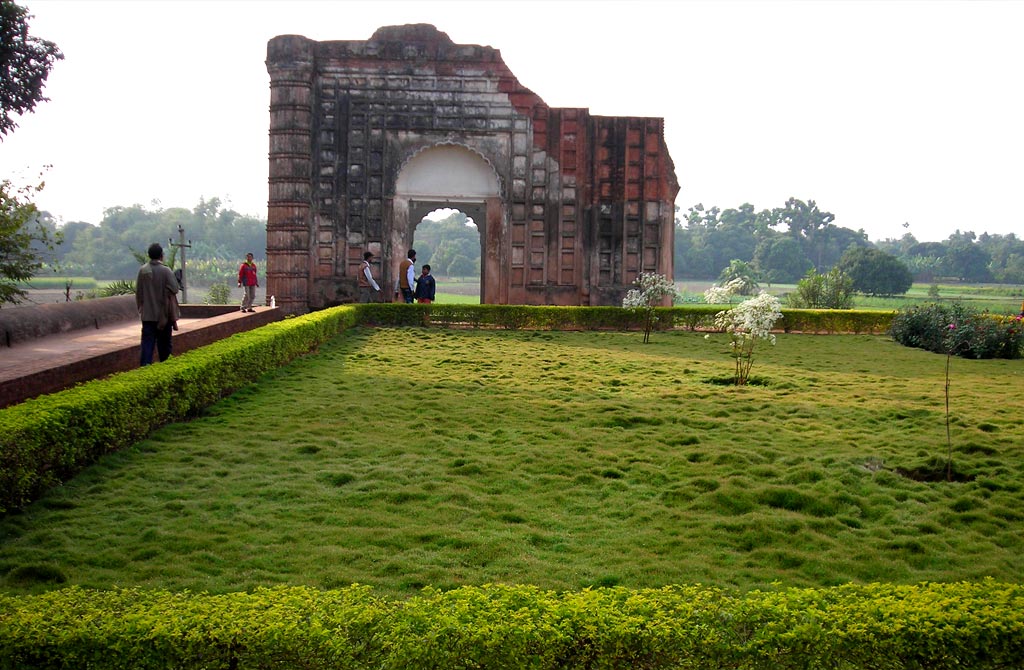
Photo Courtesy: Tarun Pradhan, Flickr/Rajib Kumar Bhattacharya
Art and Craft in Murshidabad
Murshidabad is a tourist destination of great historical significance. Once the seat of the Nawabs of West Bengal, Murshidabad still has that old charm and grandeur. Art and craft in Murshidabad is an integral part of the lives of the residents. The craftsmen of this district of Bengal are extremely skilled and different types of art and craft is practiced in the region.
Ivory and wood Craft
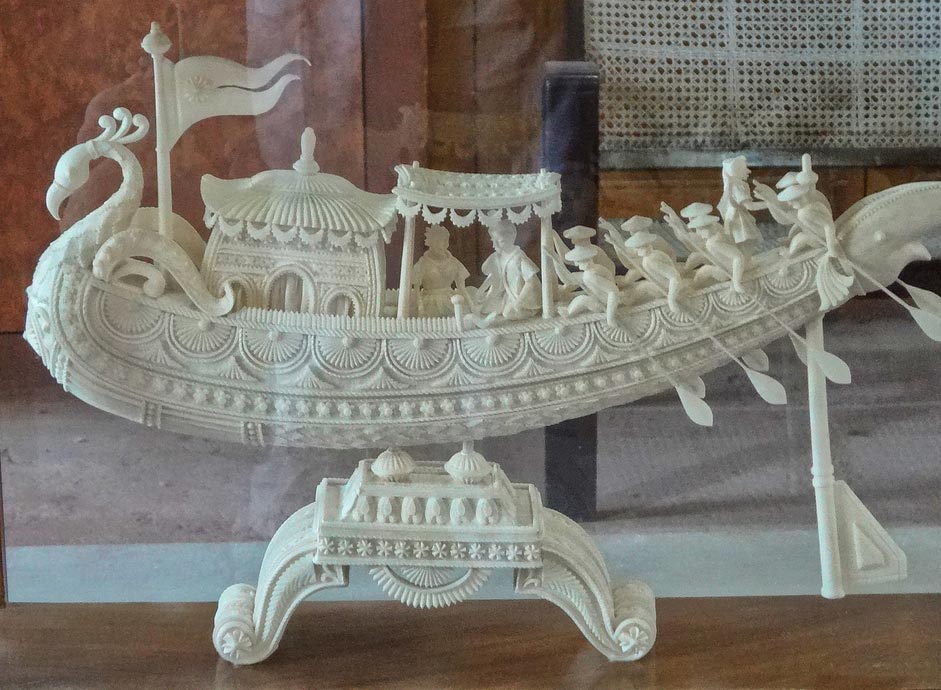
The first is the Ivory and wood craft which spans throughout Murshidabad and is considered to be an industry employing a large number of the residents. This craft dates back to the time of Nawabs in Bengal where the courts used to be beautifully embellished with ivory and wood items. In those times this industry ran under the patronization of the Nawabs and also the noblemen of the court. In the past the carvers of Murshidabad were deemed to be the best with masterpieces that were displayed in the museums across the world. The industry has however faced decline over the last few decades. You can still find some nicely carved objects near Khagra bazaar.
Sholapith
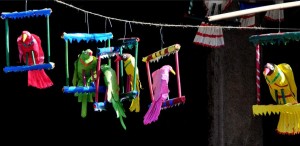 The Sholapith or the Indian cork craft has sustained in Murshidabad and you will get some excellent pieces of art on the items made from shola. Sholapith is basically sponge-wood milky white in color. It is soft and delicate in nature. Beautiful items are made from this wood which has a diameter of 1.5 inches and grows in the marsh lands of Murshidabad. Sholapith is extremely malleable, spongy and light. Its brilliant luster and texture makes it perfect for lovely handicraft items to enhance your home décor. This wood is specially used for making the head gear of the Bengali brides during wedding ceremonies. However, the best specimens of sholapith items can be seen during Durga Puja, one of the most elaborate ceremonies of the Bengalis where the Goddess appears beautiful with sholapith huge backdrops and also with sholapith jewelry items. All these pieces are carefully strewn by the craftsmen with intricate designs on them. Every piece appears special. Floral motifs are popular among the sholapith designs. Peacocok boats, palanquins and garlands are also common.
Bell metal or Kansa
Bell metal works or Kansa as the Bengalis refer to it is another popular craft practiced by the skilled craftsmen of Murshidabad. It is a traditional craft basically used to make utensils and are manufactured in large quantities in Kandi, Baranagar, Berhampore and Khagra. Iron chests, betelnut cutters and locks of superlative quality are also manufactured in these areas. There is a tradition of giving bell metal utensils as gifts to a bride during wedding. It is considered to be auspicious.
Silk
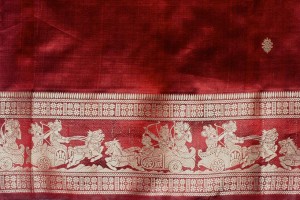 Production of murshidabad silk and making sarees and other silk garments is a huge industry in Murshidabad. The clothes especially sarees are in high demand in the local, national and also international markets. The Baluchar town in Murchidabad produces the famous Baluchari sarees which are gorgeous to look at. Rich in composition, these sarees have silk brocaded designs on a silk base with lovely colors. Floral motifs along with scenes from daily life are popular and also colors like scarlet, green, yellow and blue are preferred by women. Know More →
-
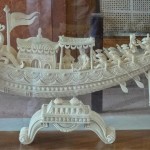
- Sholapith Art and Craft item in Murshidabad
-

- Wood Craft from Murshidabad

-

- Royal Peacock Barge in Murshidabad
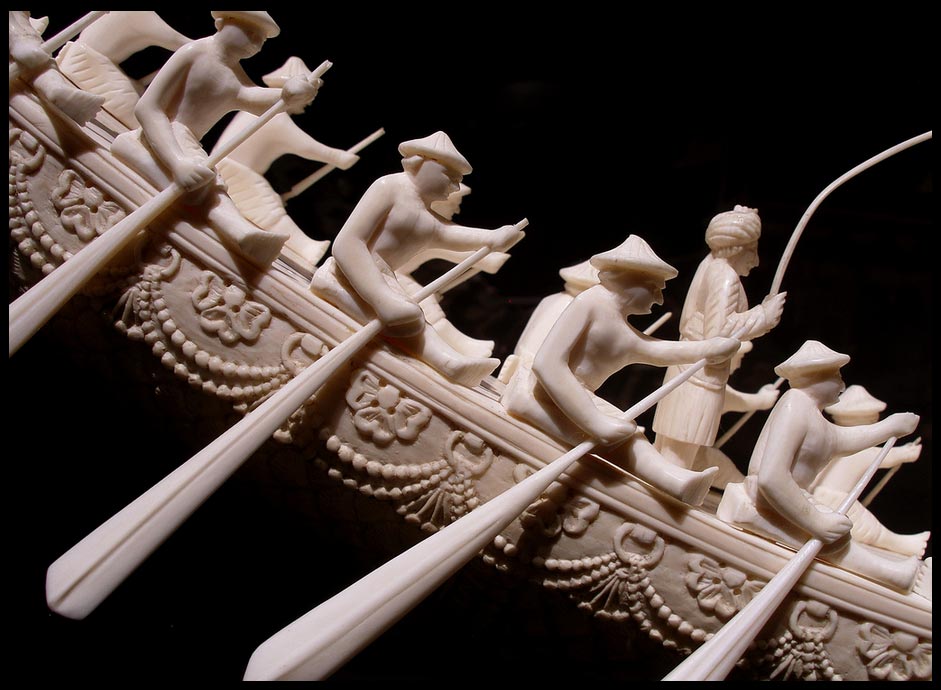
Photo Courtesy: Flickr/Pallab Seth, Jyoti Prakash Bhattacharjee, Viejito, Srikanth S
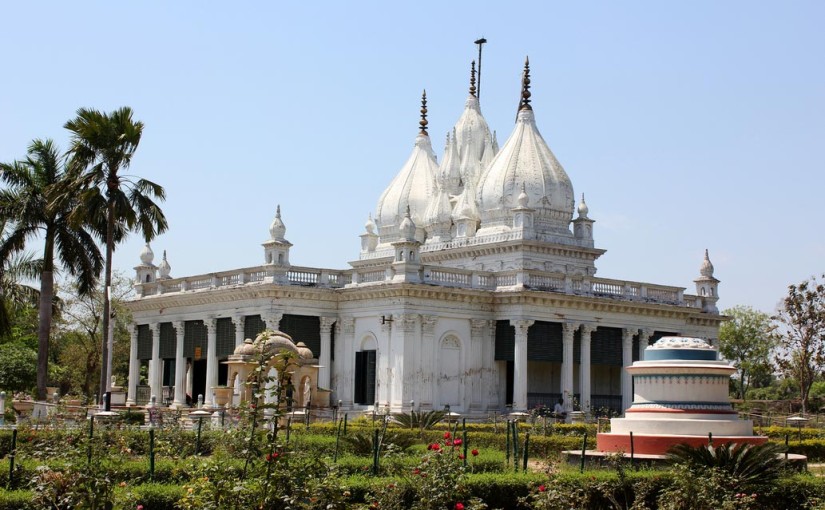
Adinathji Mandir at Murshidabad
Adinathji Mandir is situated in the premises of Kathgola gardens which also houses the famous Kathgola Palace. Adinathji Mandir is also known as Pareshnath Temple dedicated to Bhagwan Adishvar. The deity is almost 90 centimeters high sitting on padmasana posture and is believed to be 900 years old. Lakhsmipat Singh Dugar built it in 1933 with white marble making it look pristine. The mandir is absolutely white in color with onion shaped domes. The architecture of the Mandir is influenced by Moghul, European, Rajasthani, traditional Jain and Bengali styles. It houses 17 images of Jain Tirthankaras.
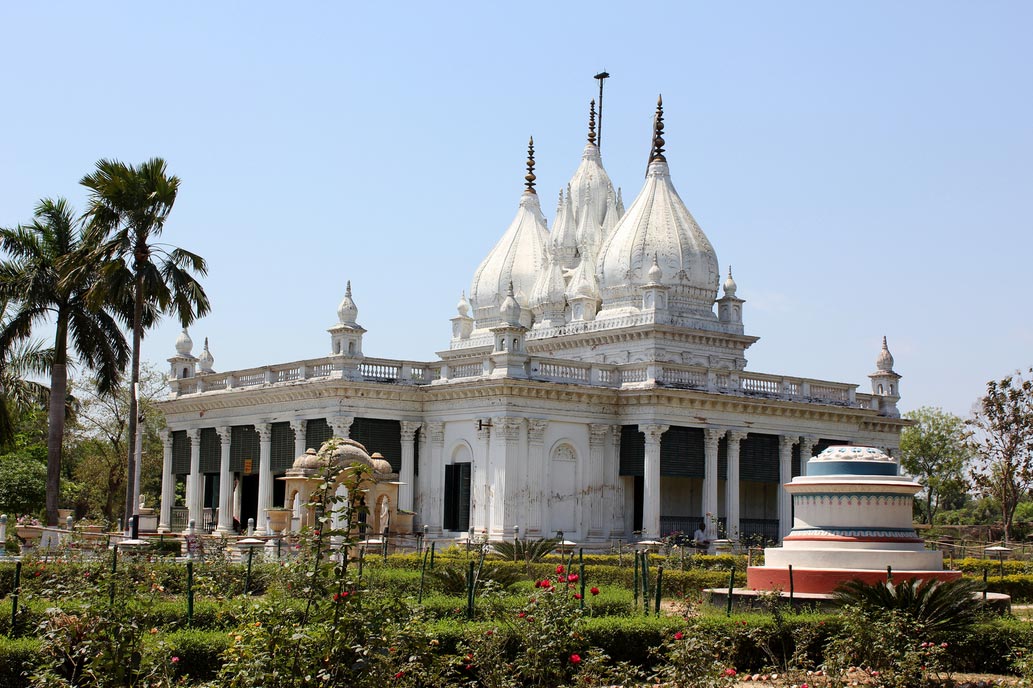
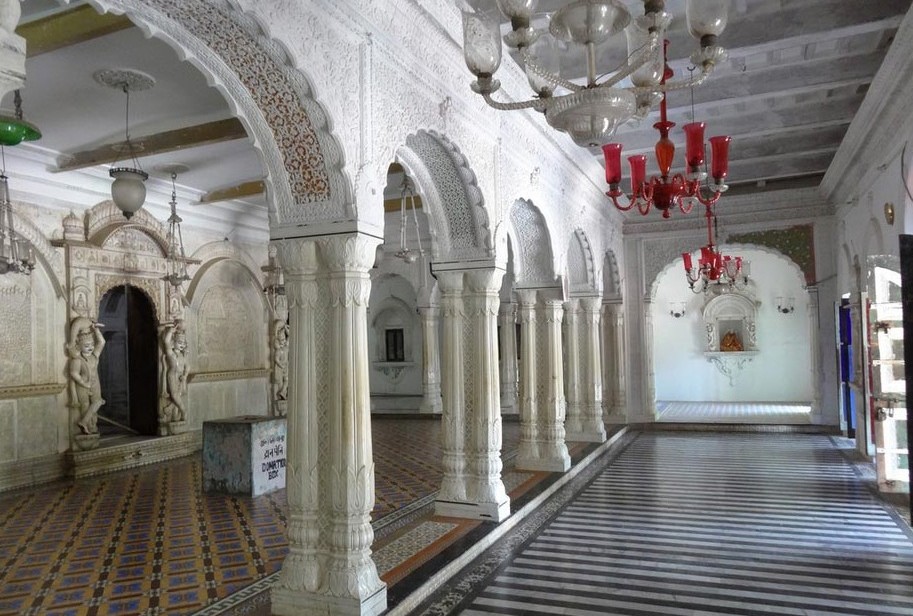
Photo Courtesy: Flickr/Jyoti Prakash Bhattacharjee